Offrez-vous un capitaine sur La Seine !
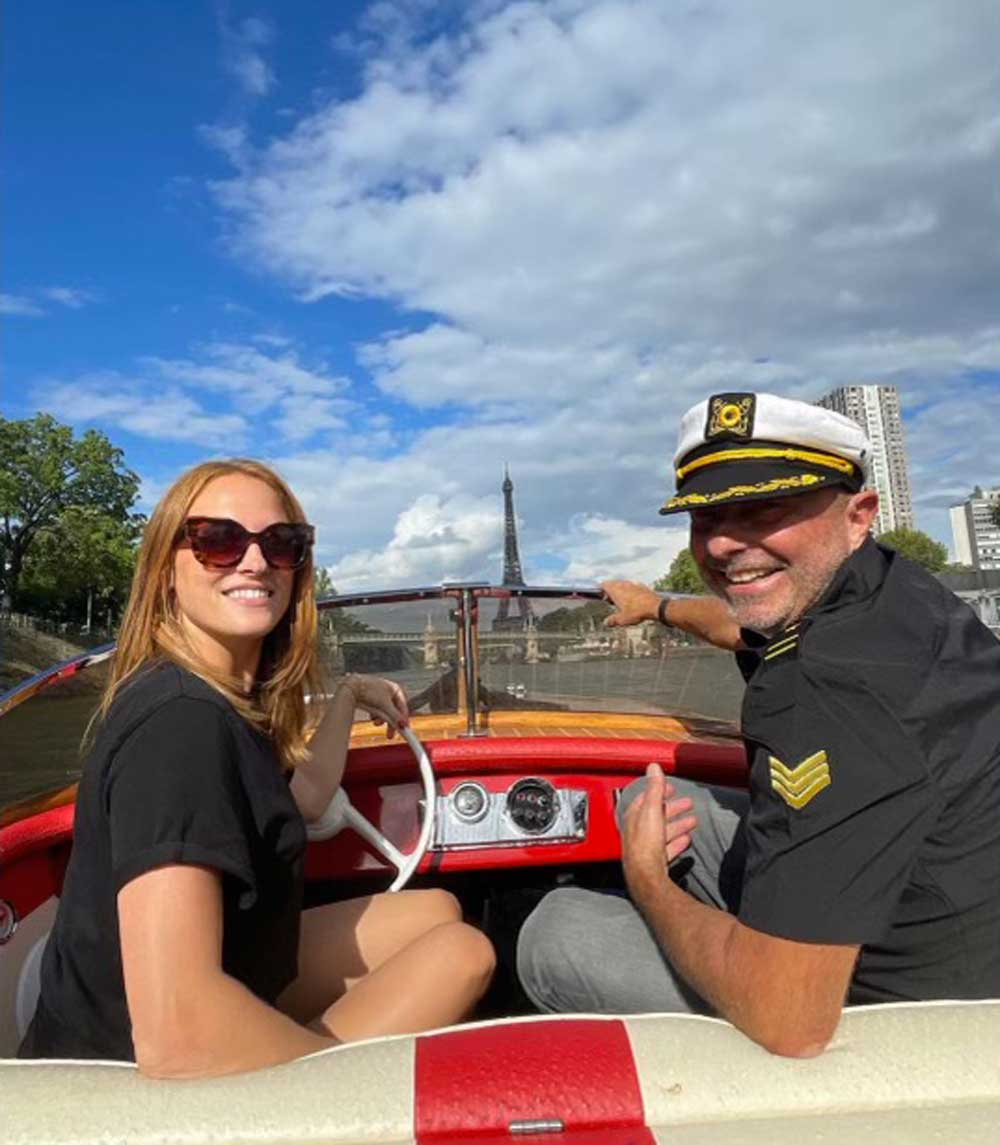
Treat yourself to a captain on the Seine with Cruise Speed!
Bonjour et Bienvenue,
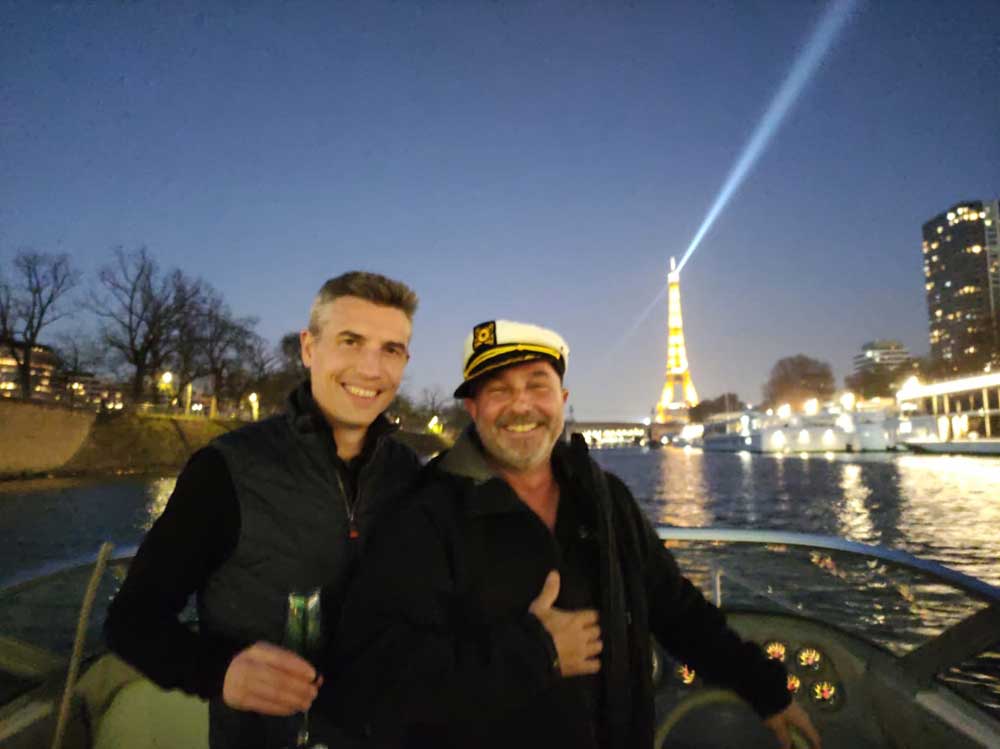
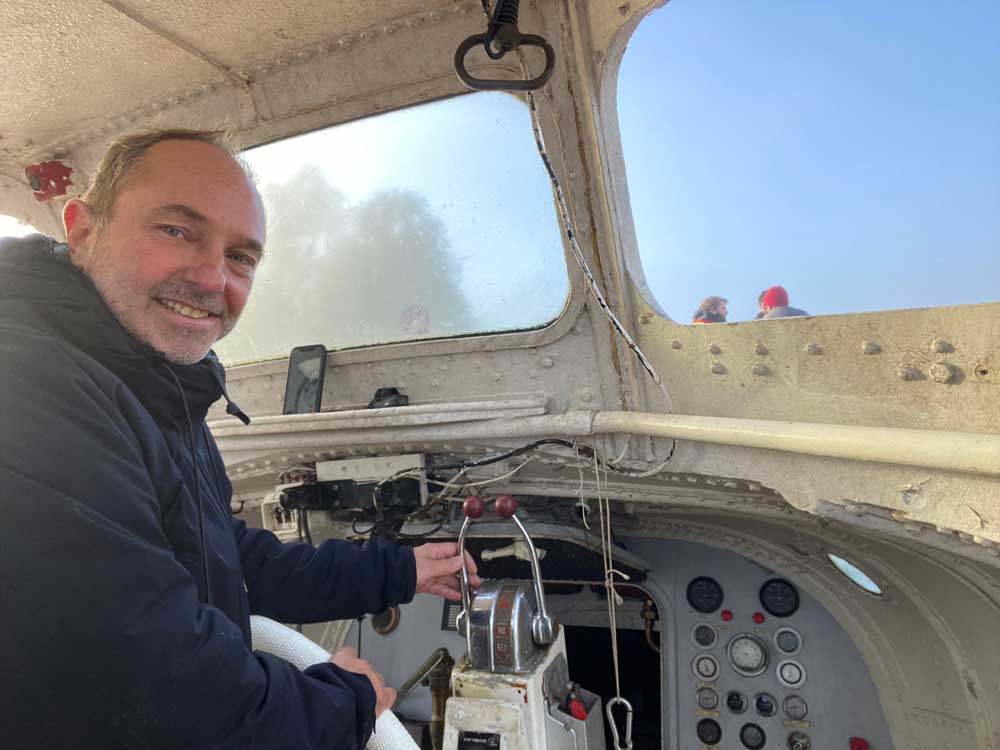
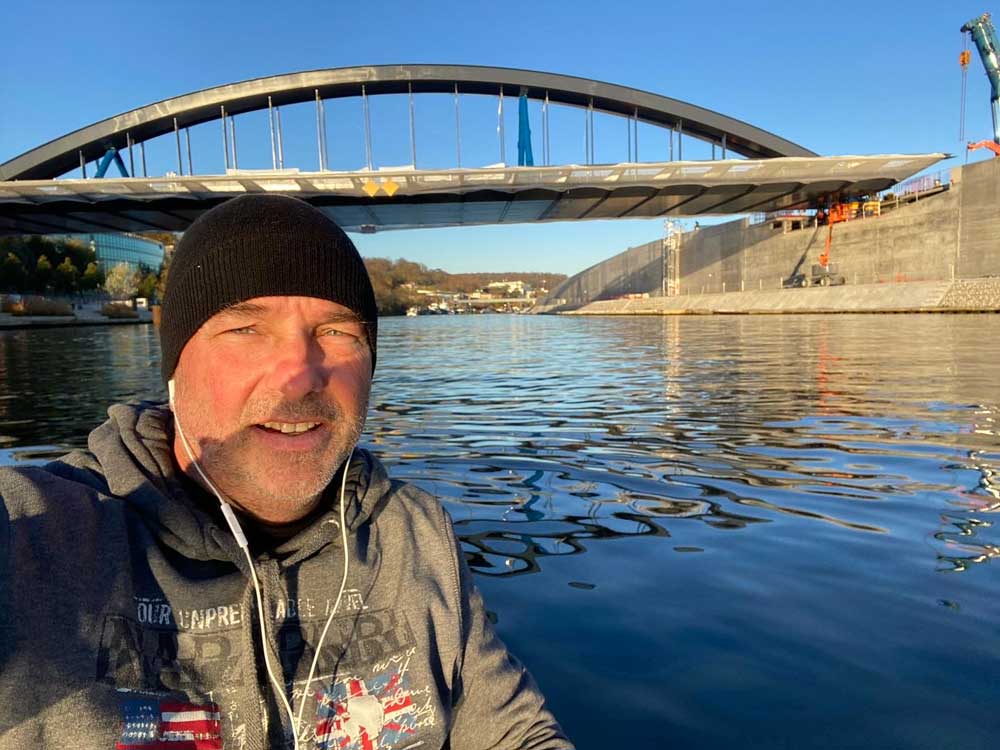
Capitaine Fabrice pour vous servir. Et un capitaine qui habite sur la Seine !
Avec moi je vous ferais découvrir cet univers atypique, La Seine, qui traverse une des plus belles villes du monde.
La Seine, comme disait Guillaume Apollinaire, “Passent les jours et passent les semaines Ni temps passé Ni les amours reviennent Sous le pont Mirabeau coule la Seine”.
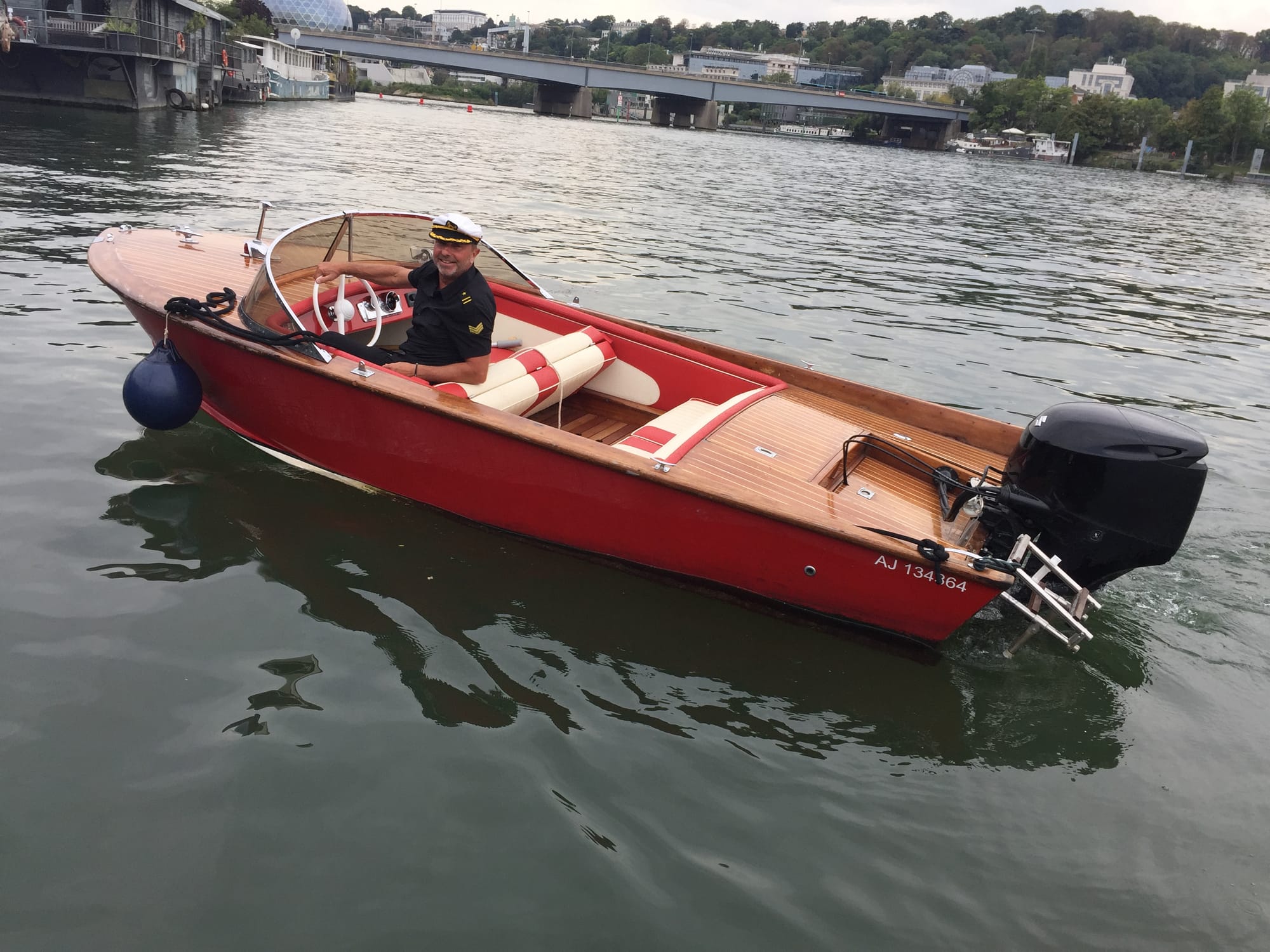
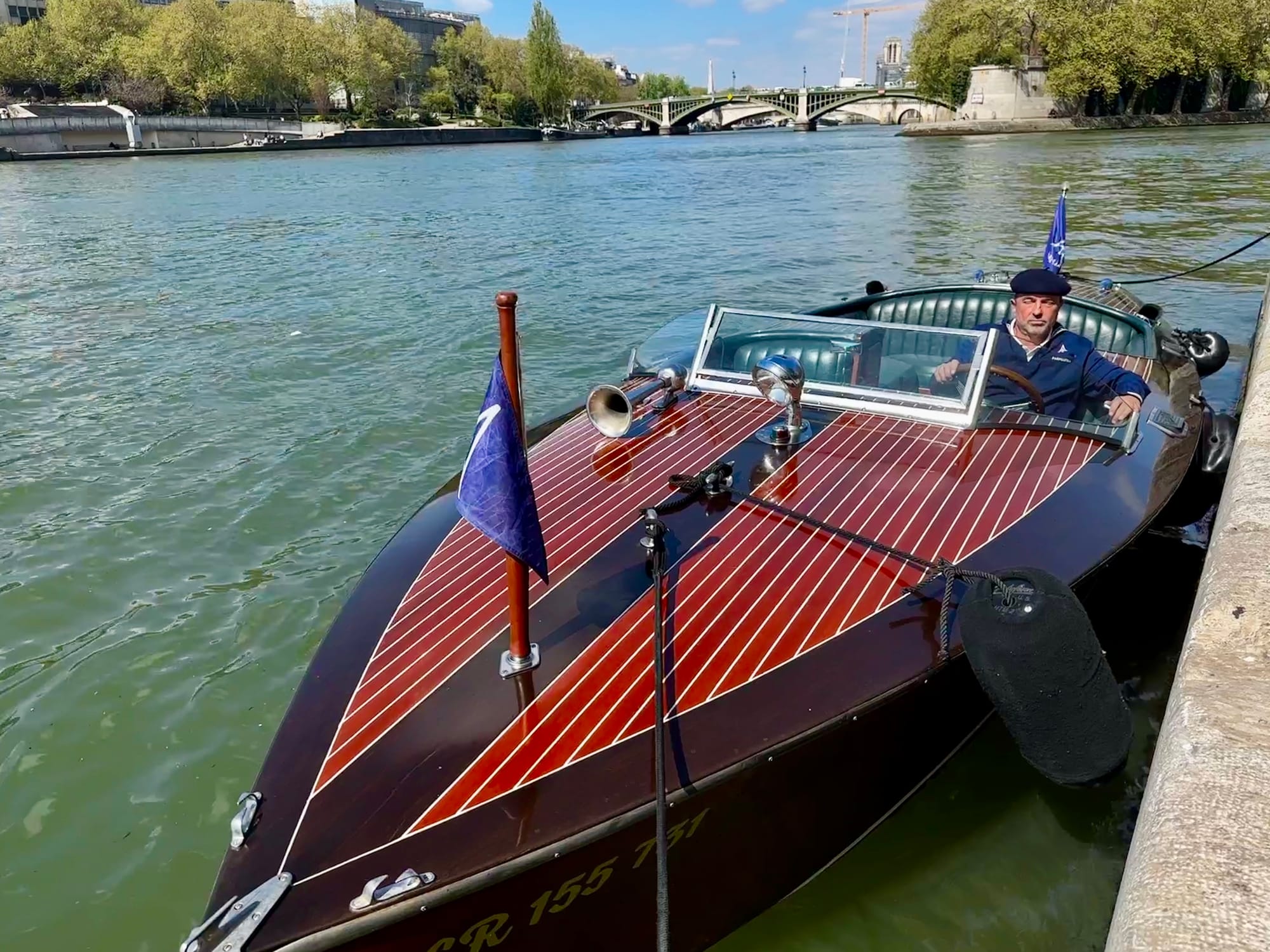
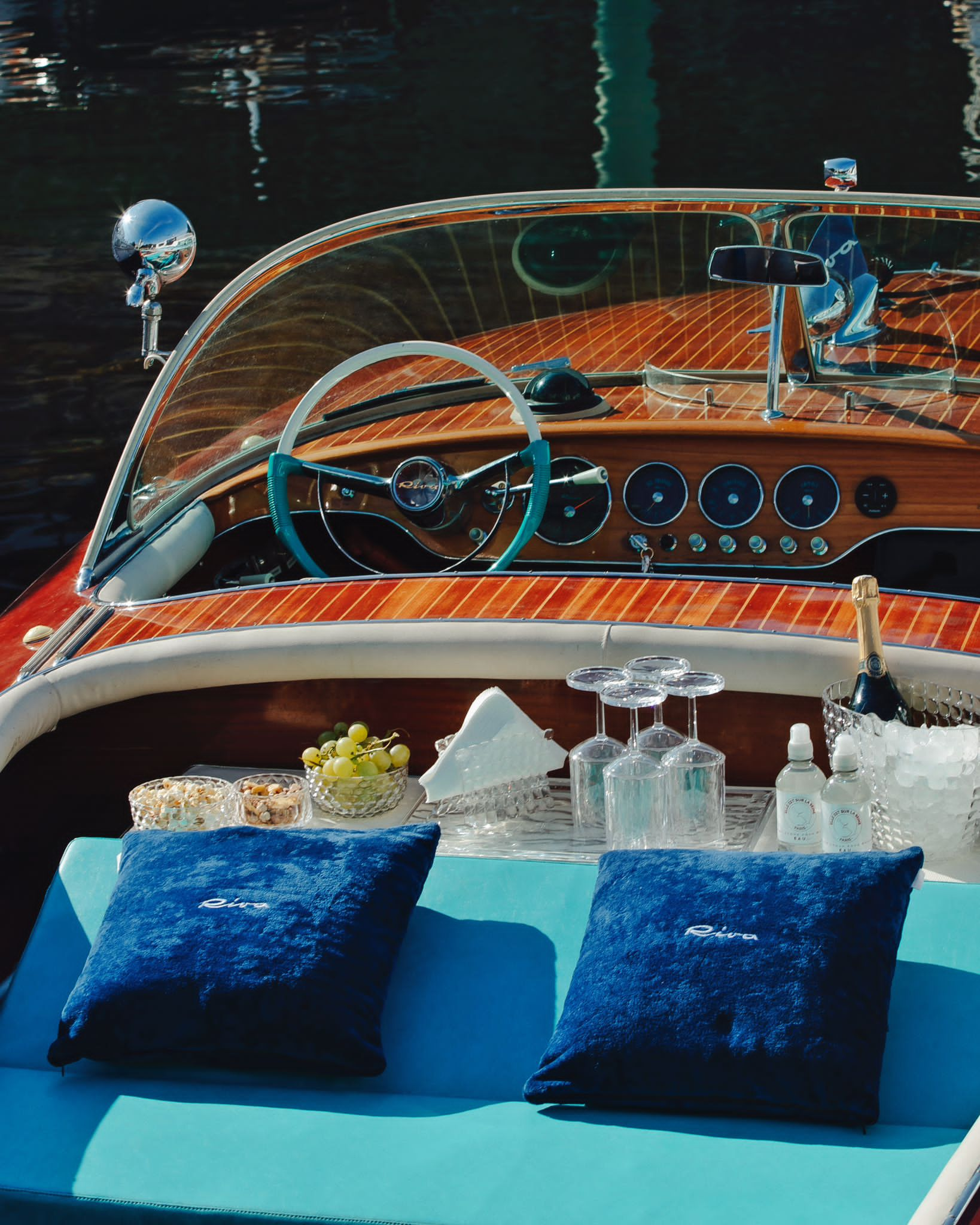
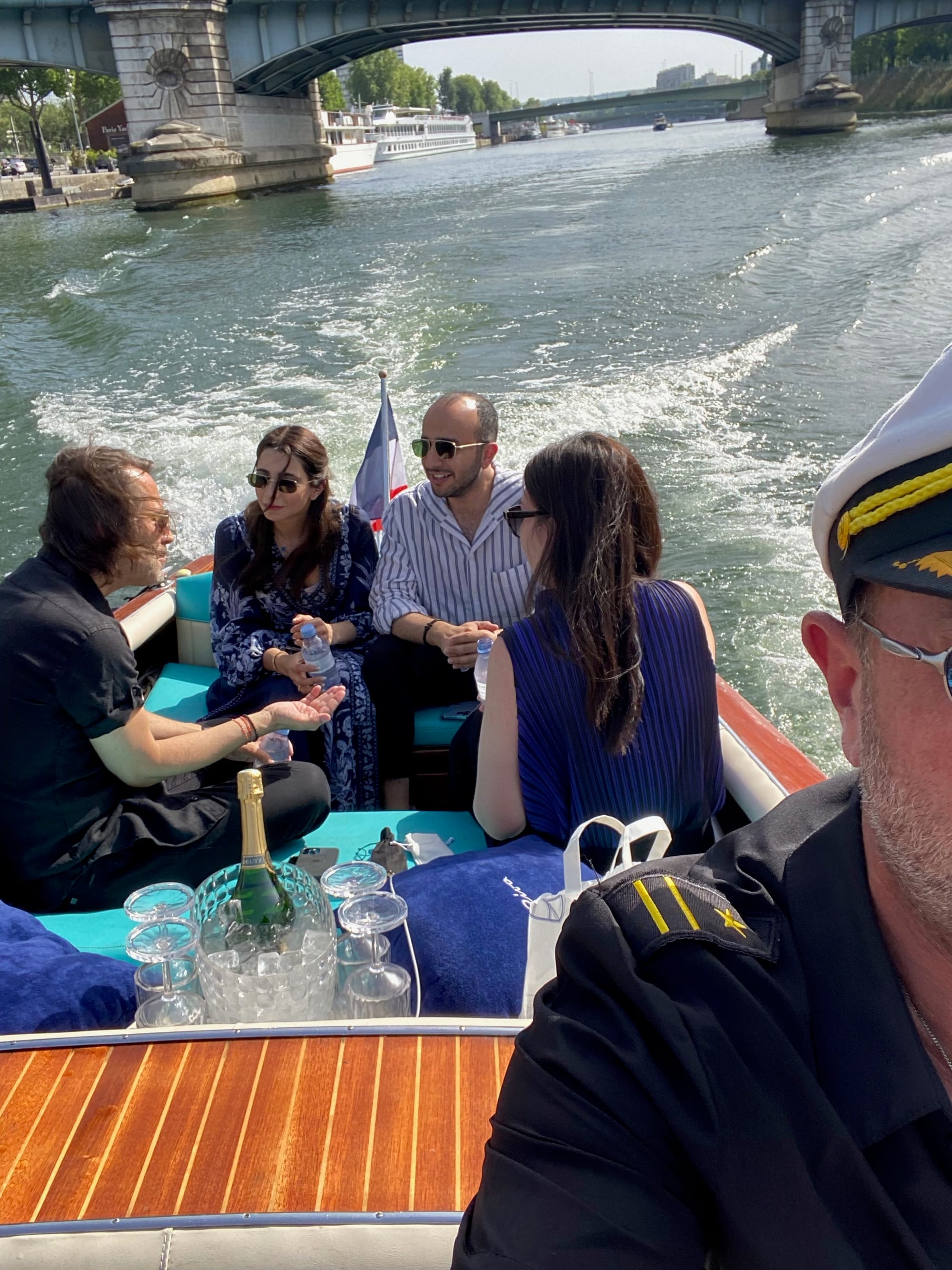
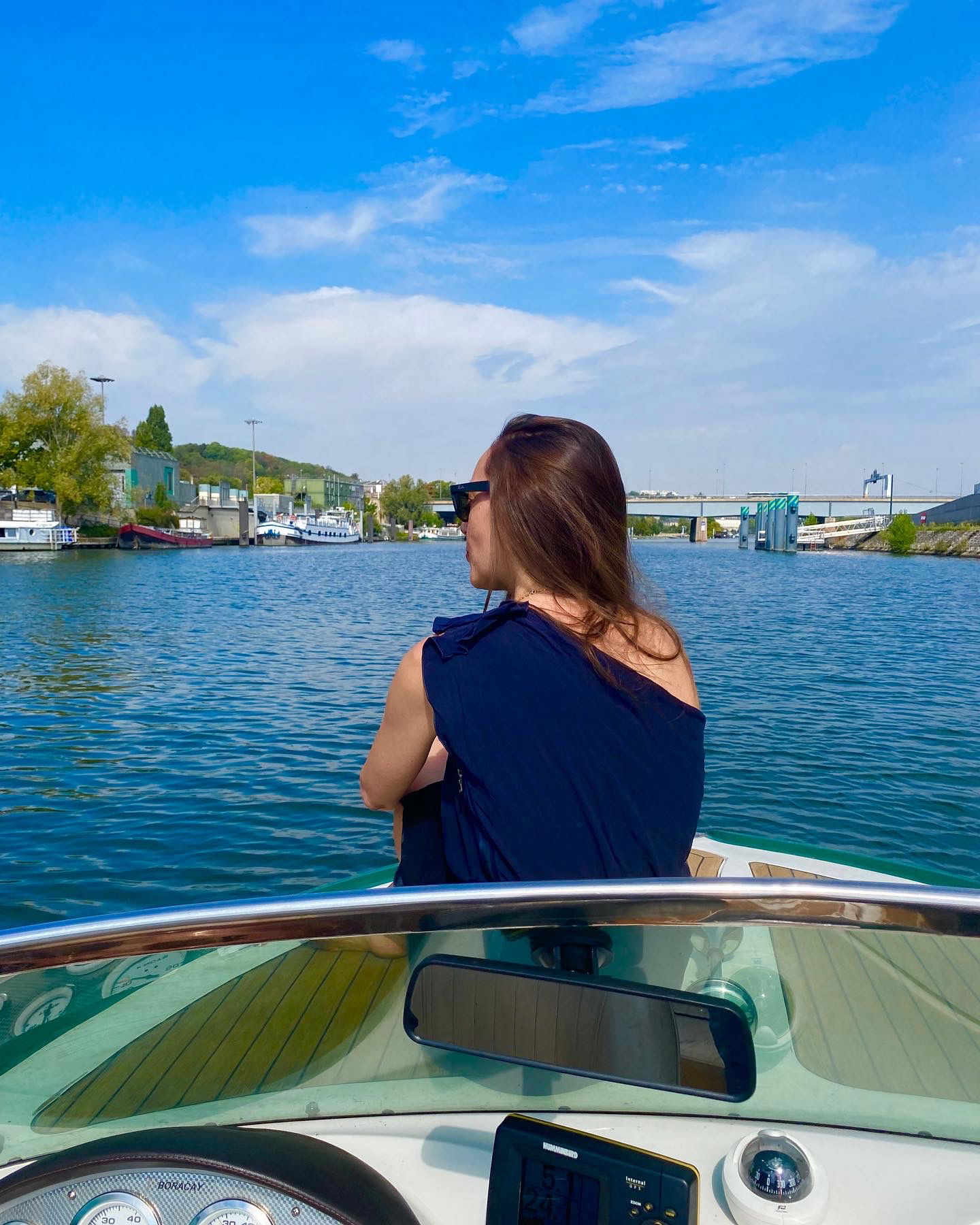
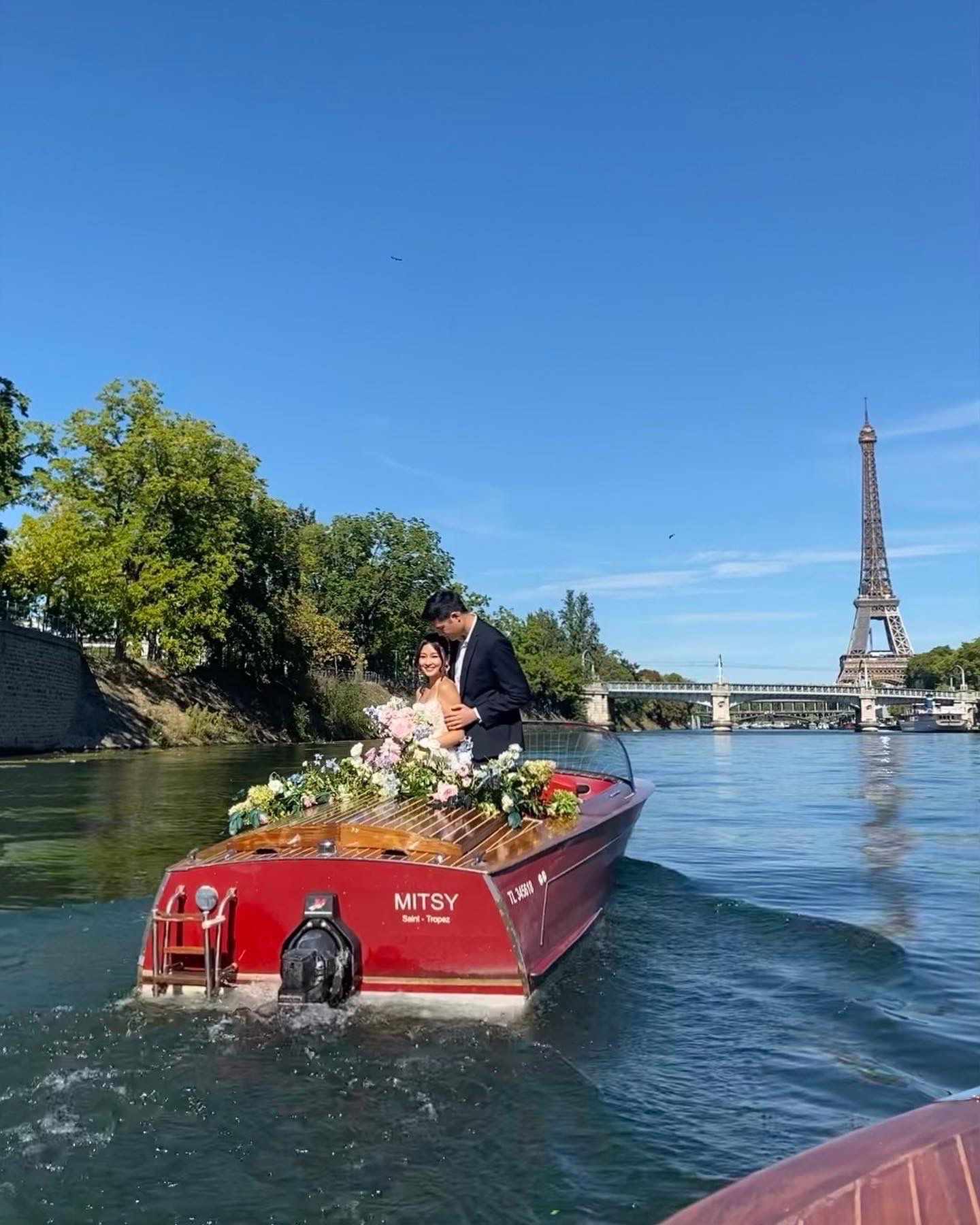
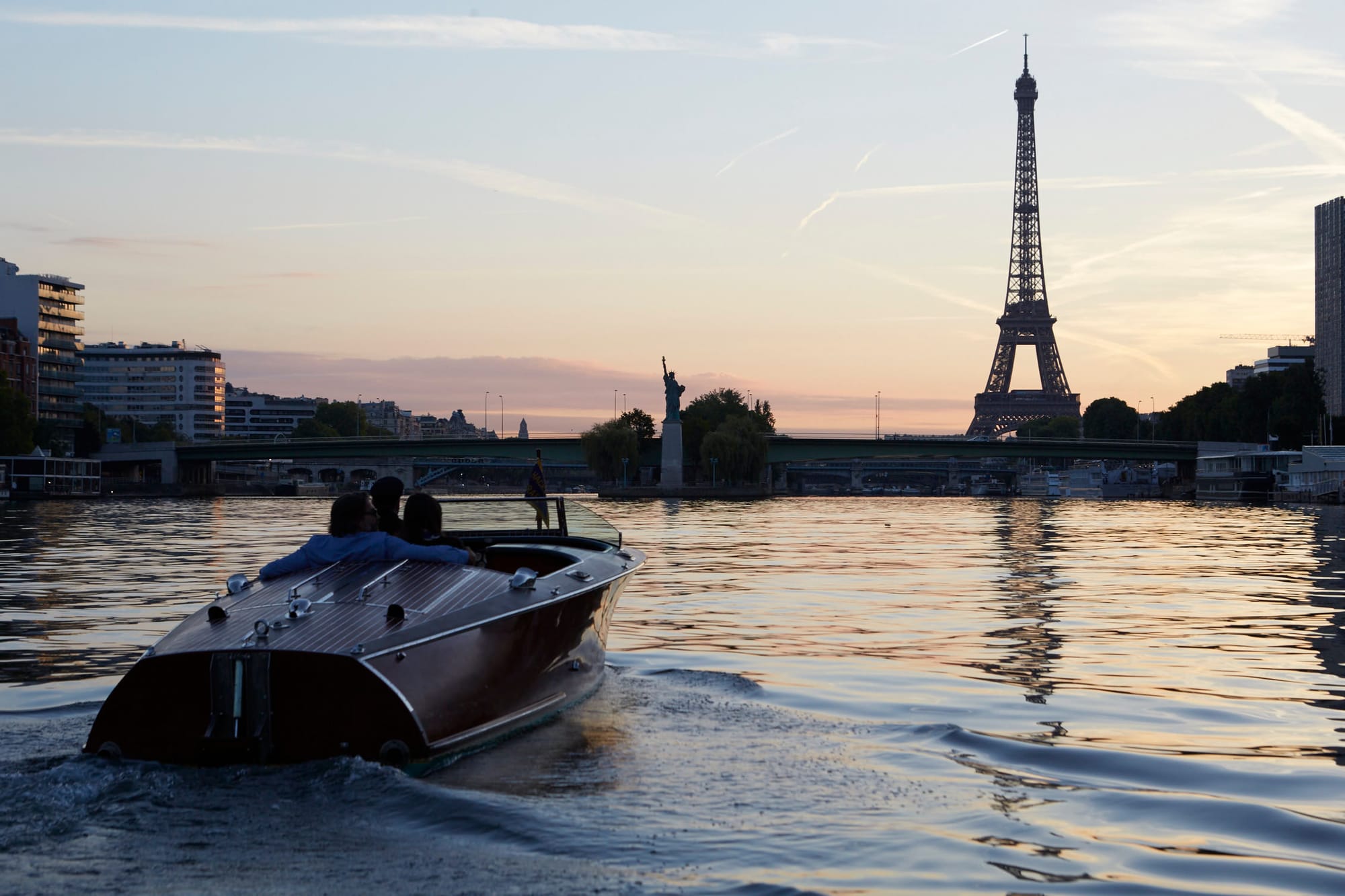
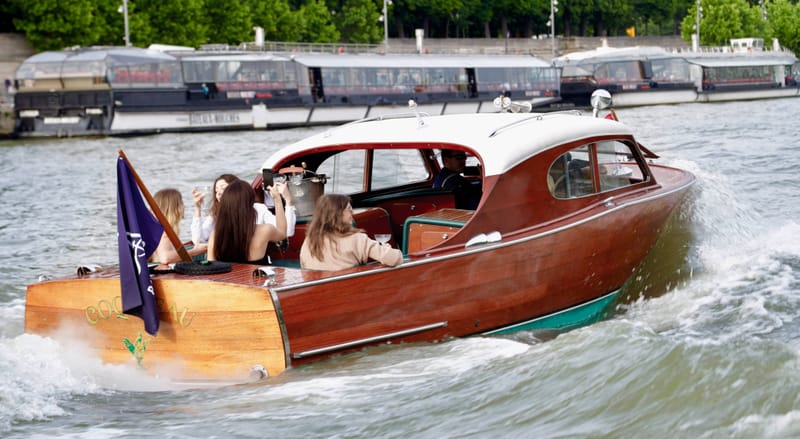
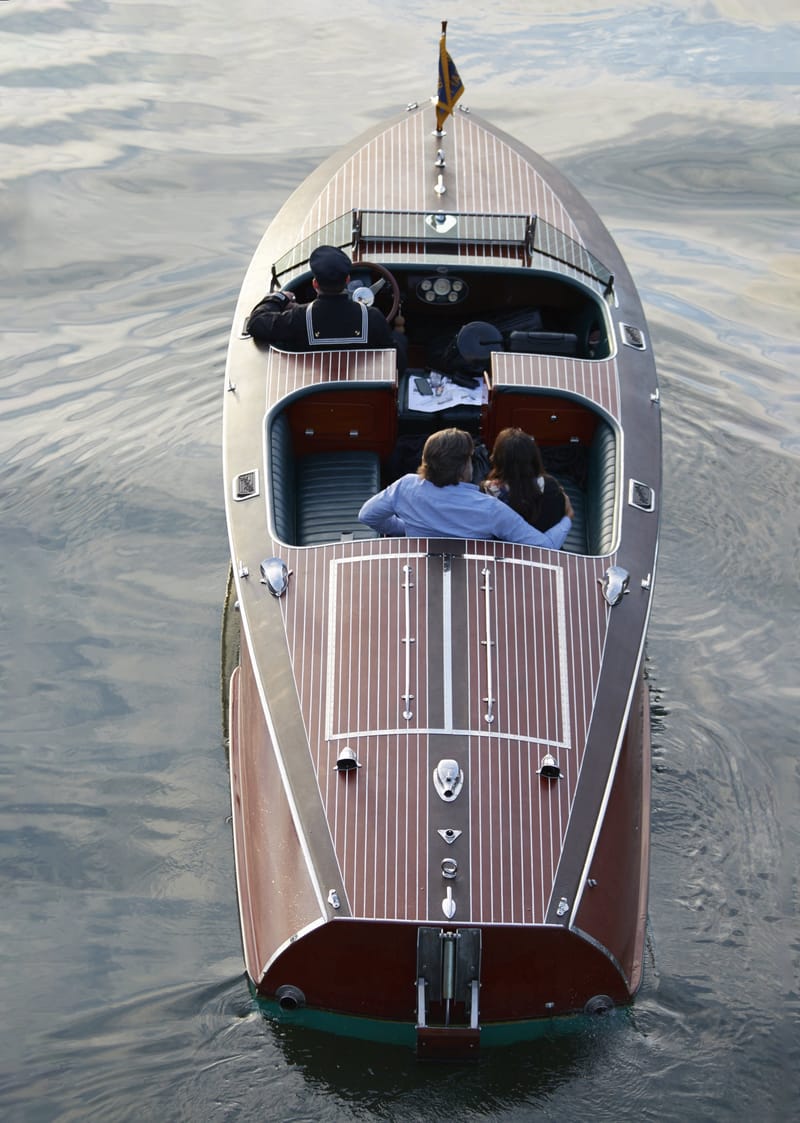
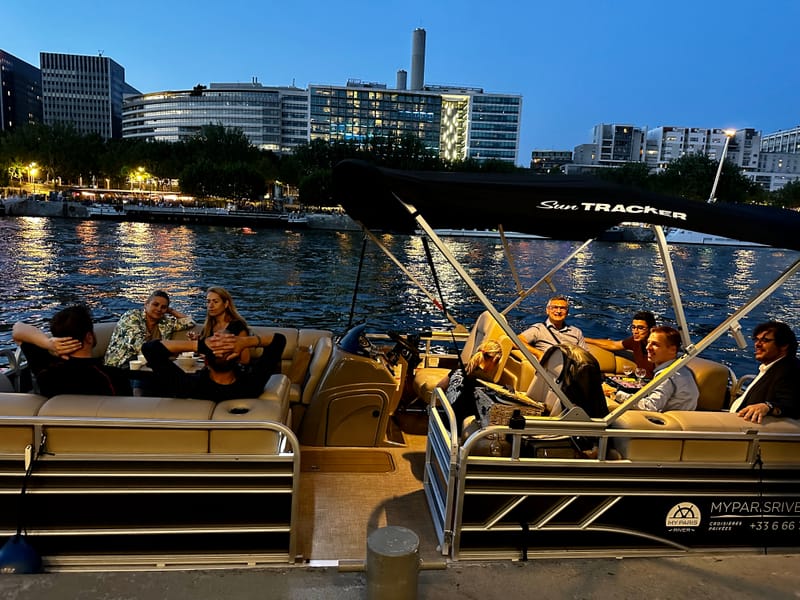
En louant mes services, vous aurez accès à un choix de bateaux allant du salon flottant au Hacker-Craft des années 40, je vous affréterai en fonction de vos envies , de votre budget, du nombre de personnes, des yachts d'exceptions.
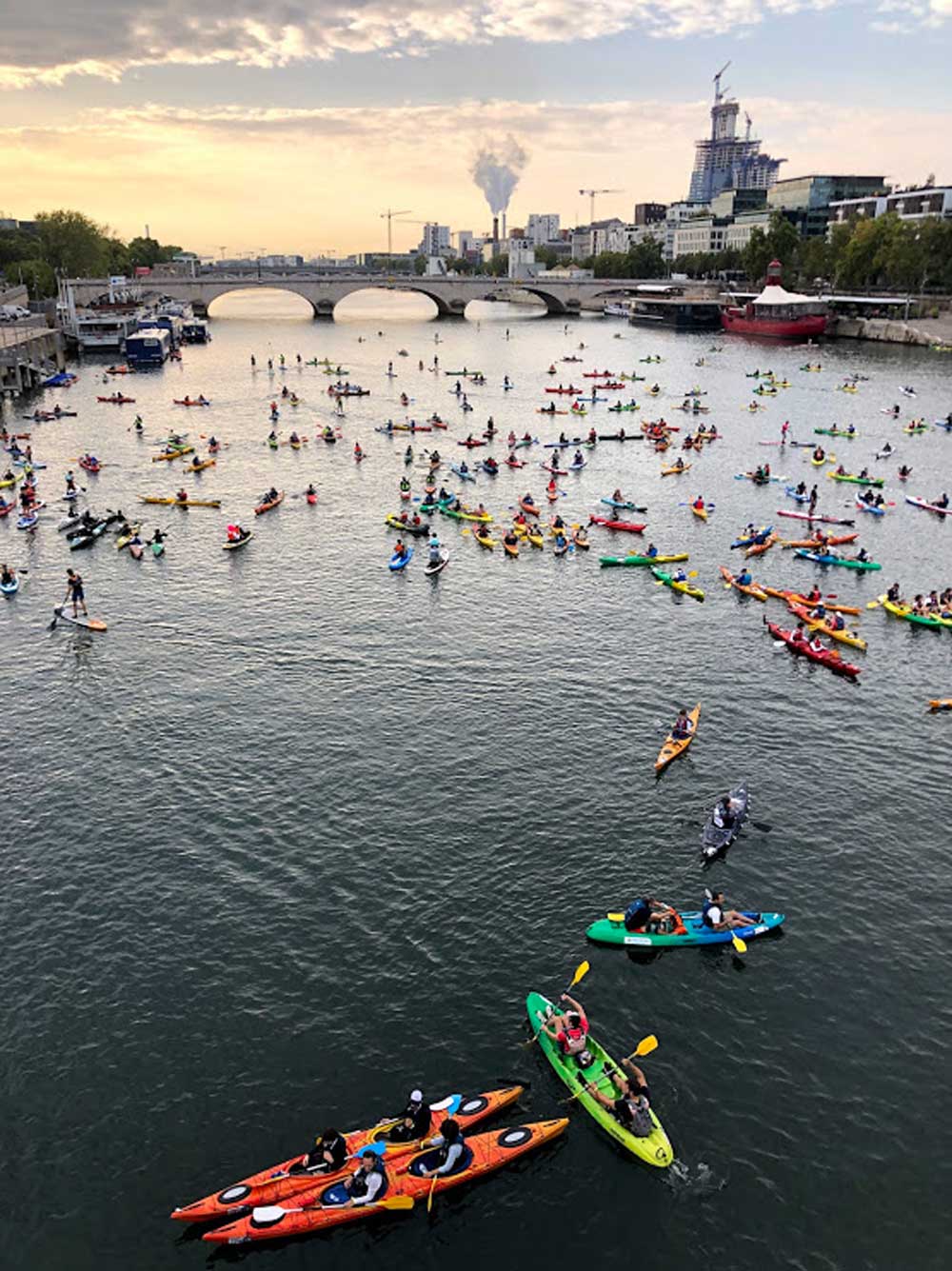
Nos balades explore les berges de la Seine. Il y a la capitale Paris et ses 37 ponts chargés d'histoire. Il y a l'Ile Saint Germain et son bras méconnu qui abrite de merveilleuses maisons aux architectures splendides, des habitations flottantes impressionnantes. En aval il y a l'Ile Seguin et la Seine musicale, boule de musique aux mille facettes, puis le Parc Nautique où la Seine prend des airs de mer jonchée de voiliers, paddles canoës en tout genre , puis la zone de vitesse jusqu'aux écluses de Suresnes...
Autant de choix pour découvrir la Seine sous un regard de Petit Prince...
...Contactez moi pour vos réservations. Et pour des groupes de plus de 6 et jusqu'à 12 personnes, je peux vous affréter d'autres bateaux. Et si vous êtes 50 c'est aussi possible.
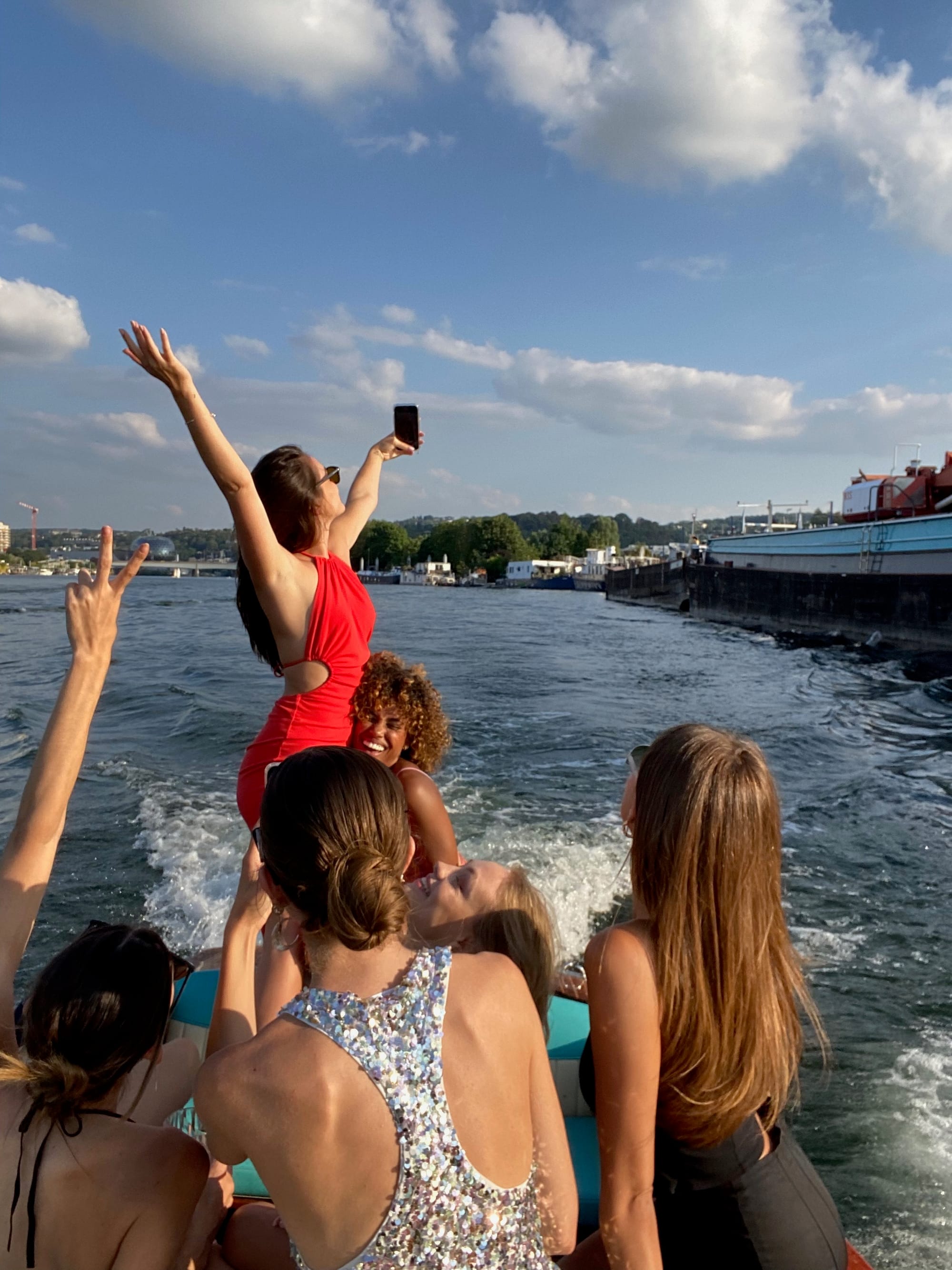
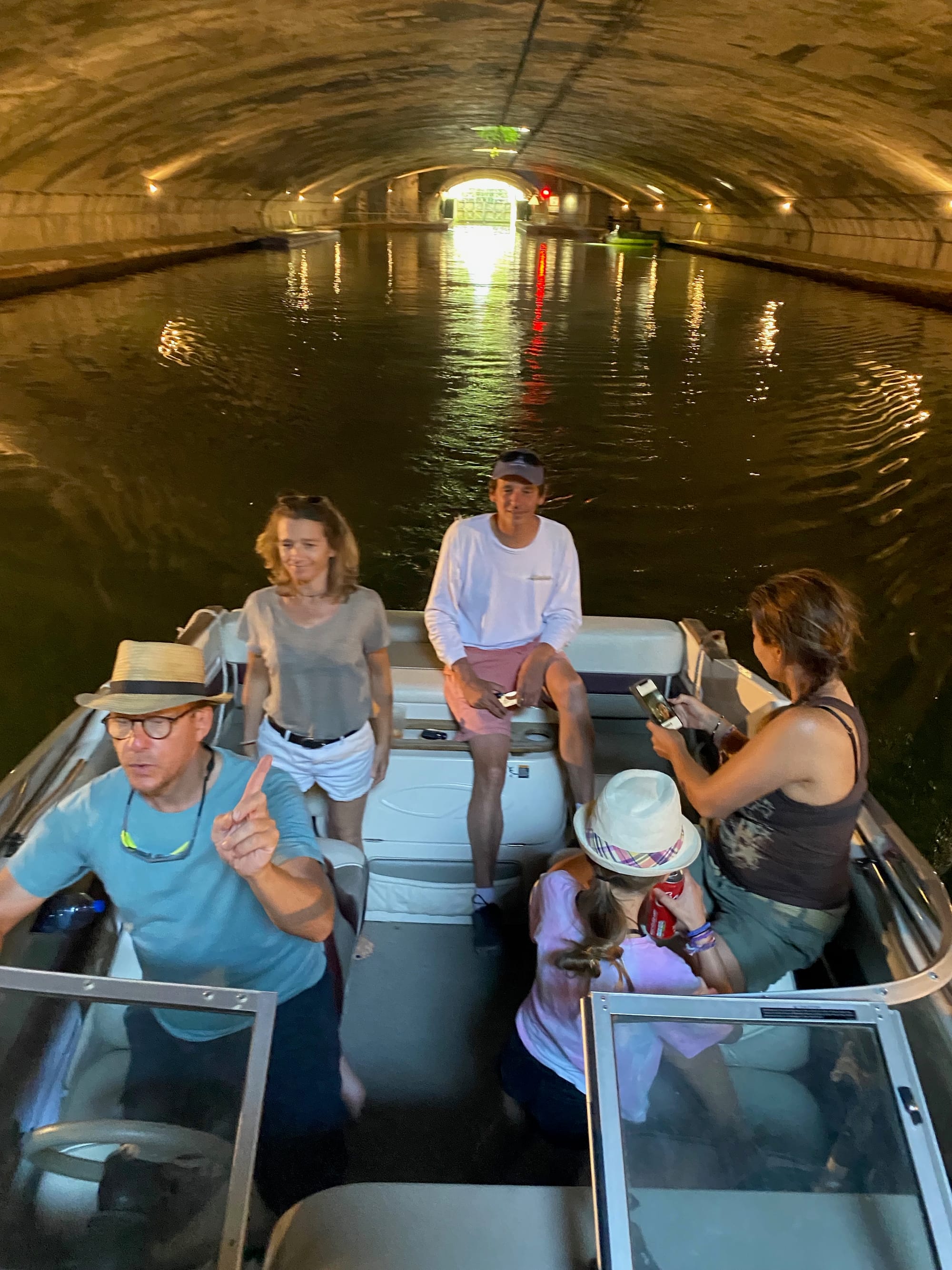
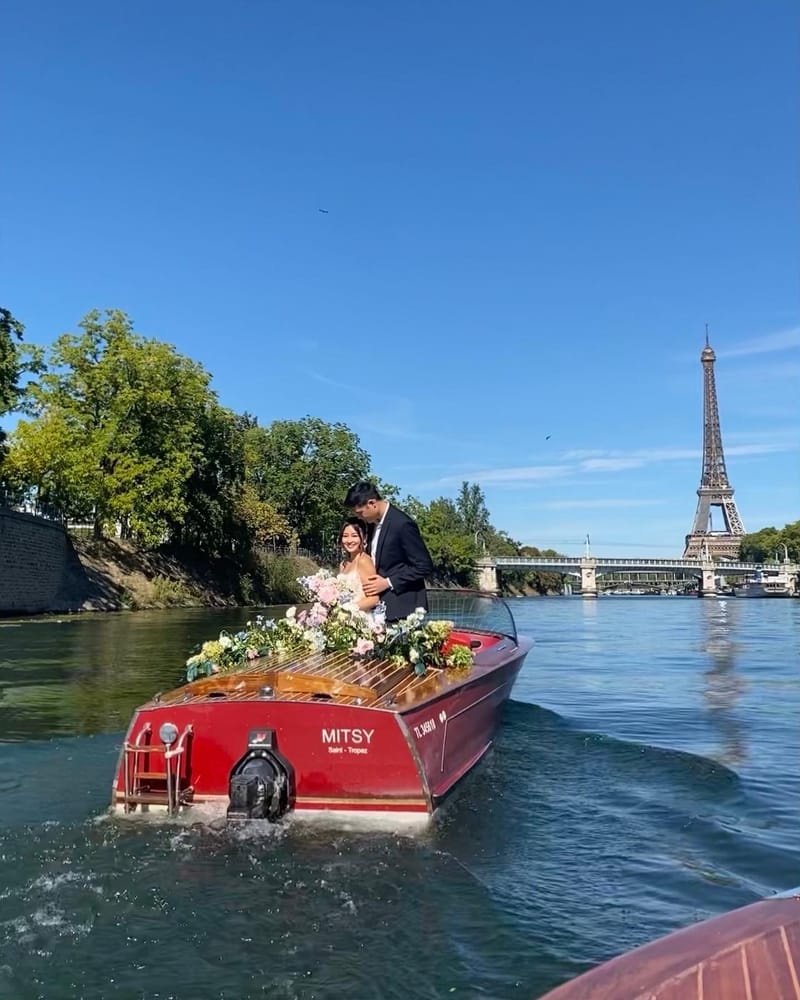
Balade culturelle, croisière bucolique, organisation d'anniversaire, de demande en mariage, de pique-nique, d'entrainement à la navigation, de repérage cinématographique, de location de péniche, de dégustation oenologique...
The Captain's Cellar

Contact
Balade évènementielle privée sur la Seine
- Boulogne-Billancourt, France
The Monuments you will come across...
Eiffel Tower Notre Dame cruise
Alexander III Bridge
Alexandre III The Alexandre III bridge is located downstream from the Invalides bridge and upstream from the Concorde bridge. The Alexandre III bridge, 154 meters long and 45 meters wide, was built for the Universal Exhibition of 1900. The first stone was laid by Tsar Nicolas II in 1896, the bridge was intended to symbolize Franco-Russian friendship. It is the President of the Republic Emile Loubet who inaugurates it.
Eiffel Tower
The Eiffel Tower It is 324 meters high (with antennas). It was built by Gustave Eiffel for the Universal Exhibition in Paris in 1889, and initially named the "300-metre tower" Some information about the Eiffel Tower: The restaurant Le jules Verne attends an average of 2 marriage proposals per evening The weight of the Eiffel Tower is 10,000 Tons The Eiffel Tower has been repainted 18 times
Statue of Liberty
La statue de la Liberté Le visage tourné vers les États-Unis, la statue de la Liberté du pont de Grenelle mesure 11,50 mètres de haut. Elle est située sur l’Ile aux cygnes face à la maison de la Radio. En 1889 au niveau du pont de Grenelle, elle faisait alors face à la Tour Eiffel et pointait sa torche en direction de l’Elysée ; elle sera finalement déplacée dos à la Grande Dame en 1937 afin de faire face à New York où se trouve sa grande sœur.
The Notre-Dame cathedral
Notre Dame Cathedral Notre-Dame Cathedral in Paris is the most visited monument in France. Located in the historic center of Paris, at the end of the Ile de la Cité. Work began in the 13th century and ended in the 15th century. Road distances in France are calculated from point 0, located on the forecourt.
The Monuments you will come across...
Eiffel Tower Notre Dame cruise
The bridge of Arts
The Pont des Arts The Pont des Arts is a bridge crossing the Seine in the center of Paris. It connects the Malaquais and Conti quays, in the 6th arrondissement, to the François-Mitterrand and Louvre quays at the level of the square courtyard of the Louvre palace, in the 1st arrondissement. Known for its famous lovers' padlocks, which have unfortunately disappeared in favor of street art panels.
The Orsay museum
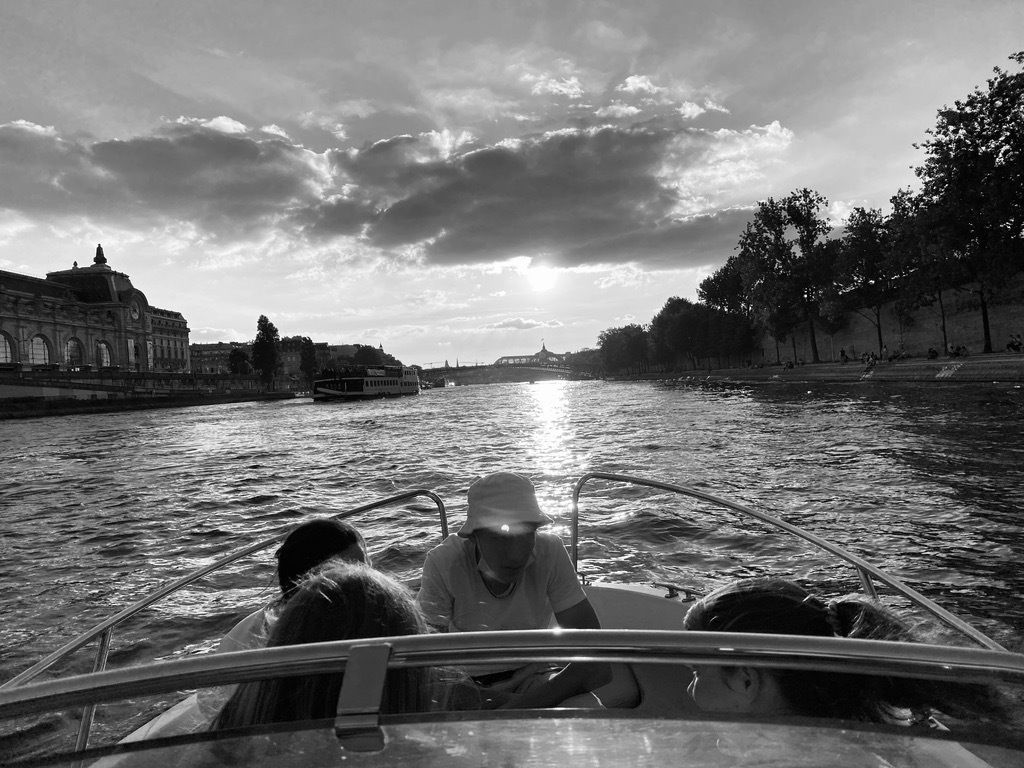
The Musée d'Orsay It is on the left bank of the Seine that you can admire the Musée d'Orsay. Inaugurated in 1986, it occupies the former Gare d'Orsay, refurbished to accommodate its many collections. From the Seine, you can appreciate the beauty of this historic building.
The Grand Palais & The Concierge
The Grand Palais The Grand Palais is located along the Champs-Élysées, opposite the Petit Palais, from which it is separated by avenue Winston-Churchill in the 8th arrondissement. Its 77,000 m2 regularly host prestigious fairs and exhibitions. Major exhibitions of paintings, scientific exhibitions, salons, art installations and contemporary art fairs. The conciergerie The Palais de la Cité was the residence and seat of power of the kings of France. It extended over a large part of the Île de la Cité in the 1st arrondissement of Paris. Nowadays, most of the site is occupied by the Palais de justice de Paris and most of the remains of this palace are made up of the former prison of the concierge which runs along the Quai de l'Horloge, to the northeast. of the island, as well as by the Sainte-Chapelle.
L'Assemblée Nationale
The National Assembly sits at the Palais Bourbon in the 7th arrondissement of Paris on the left bank of the Seine. Its monumental facade, slightly offset from the axis of the rest of the building, overlooks the famous Quai d'Orsay (the National Assembly is also close to the Ministry of Foreign Affairs and is aligned on the Pont de la Concorde) . Its main role is to debate, amend and vote on laws.